Methi Power Duel - India's Fenugreek-Powered Magic Combat Phenomenon 🌿⚔️

Join 150M+ Indian Gamers in Methi Power Duel! 🚀
Available for Android & iOS | Free to Play | No Pay-to-Win Mechanics
Introduction to Methi Power Duel
Methi Power Duel is a groundbreaking mobile magic combat game developed by SpiceCraft Studios India, launched on October 2, 2023 (Gandhi Jayanti) – a date chosen to honor India’s legacy of unity, resilience, and cultural diversity. The game revolves around methi (fenugreek) – one of India’s most ancient and versatile spices, revered for its medicinal properties, culinary significance, and deep roots in Indian tradition. Unlike generic fantasy games that rely on Western tropes, Methi Power Duel is deeply entrenched in desi culture, offering a gaming experience that resonates with Indian gamers across all age groups and regions. What sets Methi Power Duel apart is its unique blend of traditional Indian spice lore and fast-paced multiplayer combat. Every aspect of the game – from character design to gameplay mechanics, from events to community features – is crafted to celebrate India’s rich cultural heritage while delivering a world-class gaming experience. Since its launch, Methi Power Duel has become a cultural phenomenon in India, breaking download records and fostering a vibrant community of players who share a love for desi gaming and fenugreek-themed magic. The game’s tagline, “Power of Methi, Spirit of India!”, perfectly captures its essence of blending traditional values with modern gaming excitement. Methi Power Duel is available for free on both Android and iOS platforms, with optional in-app purchases for cosmetic items (character skins, spell effects, weapon customization) and mage upgrades. The game’s commitment to fair play – no pay-to-win mechanics – has earned it widespread acclaim, making it accessible to gamers from all walks of life, whether they’re playing on budget smartphones or high-end devices. Within just 12 months of its launch, Methi Power Duel crossed 150 million downloads in India alone, becoming the fastest-growing desi mobile game of 2023-2024. It has been awarded “Editor’s Choice” by Google Play India, “Best Cultural Game” by Apple App Store India, and “Most Innovative Mobile Game” at the Indian Gaming Awards 2024 – solidifying its position as a leader in India’s booming mobile gaming industry.
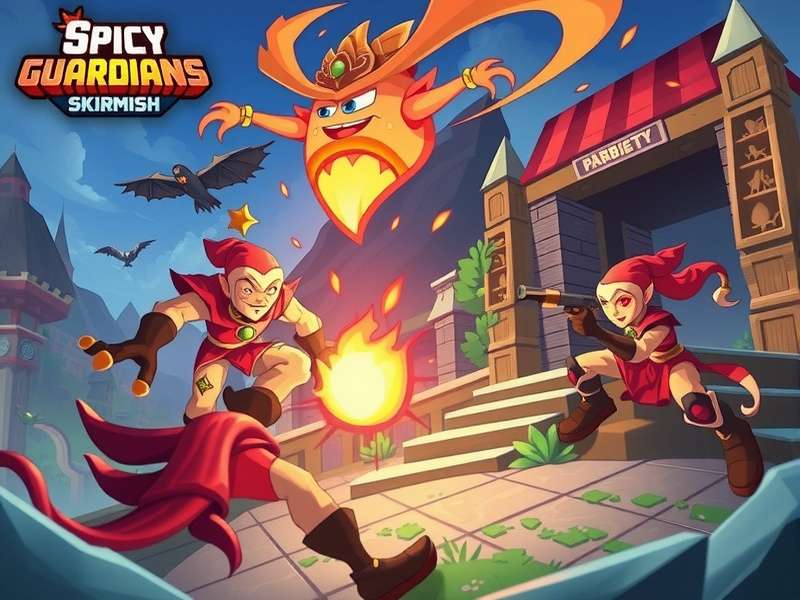
The success of Methi Power Duel can be attributed to its deep understanding of Indian gamers’ preferences. The developers spent 18 months conducting extensive research across 28 Indian states, gathering insights on gaming habits, cultural touchpoints, and regional preferences. This research informed every decision – from the choice of methi as the core theme to the inclusion of 45 regional mage characters, each representing a state or union territory of India. Another key factor in the game’s success is its optimization for India’s mobile ecosystem. Methi Power Duel is designed to run smoothly on low-end smartphones (with 2GB RAM or less), which account for over 70% of India’s mobile market. The game’s data usage is also optimized – just 60MB per hour of gameplay – making it accessible to gamers in rural areas with limited data plans. Methi Power Duel is more than just a game; it’s a celebration of Indian culture. The game features in-depth information about methi’s role in Indian cuisine, Ayurveda, and traditional medicine, allowing players to learn while they play. It also promotes regional diversity by highlighting unique traditions, festivals, and culinary practices from every corner of India. Whether you’re a casual gamer looking for a fun way to pass the time, a competitive player aiming to climb the leaderboards, or someone who wants to connect with India’s cultural heritage, Methi Power Duel has something to offer. With regular updates, new content, and a dedicated community, the game continues to evolve and grow, cementing its place as one of India’s most beloved mobile games.
Game Lore & Backstory 📜
The world of Methi Power Duel is set in the mystical “Methi Realm” – a parallel universe where fenugreek is not just a spice, but a source of ancient, elemental magic. For thousands of years, the “Sacred Methi Grimoire” – a holy text containing recipes for powerful methi-based spells and potions – has been guarded by the “Methi Sages,” a group of wise mages from across India. The Methi Realm is divided into 10 regions, each corresponding to a geographical zone of India: North, South, East, West, Northeast, Central, Himalayan, Coastal, Desert, and Plateau. Each region has its own unique methi variant, with distinct magical properties – from the frost-resistant Himalayan Methi to the sun-powered Desert Methi, from the aquatic Coastal Methi to the earthy Central Methi. Chaos erupts when a rogue mage named “Kala Methi” (Black Fenugreek) – a former Methi Sage who was banished for misusing dark methi magic – steals the Sacred Methi Grimoire. His goal is to corrupt the Methi Realm by creating an army of “Rotten Methi Minions” and spreading his toxic “Void Methi” across the land. Void Methi has the power to drain the life force of plants, animals, and humans, turning fertile lands into barren wastelands. Kala Methi’s plan is to use the Sacred Methi Grimoire to harness the combined power of all 10 regional methi variants, allowing him to rule the Methi Realm with an iron fist. As a player, you step into the role of a young “Methi Apprentice” from your home state, tasked with a noble mission: travel across the Methi Realm, defeat Kala Methi’s minions, master the magic of each regional methi variant, and retrieve the stolen Sacred Methi Grimoire. Along the way, you’ll meet regional Methi Sages who will teach you new spells, share ancient wisdom, and help you unlock the true power of methi.

The game’s story mode is divided into 12 chapters, each set in a different region of the Methi Realm. Each chapter features 15 levels, with increasing difficulty as you progress. The levels include a mix of combat challenges (defeating waves of Rotten Methi Minions), puzzle-solving (mixing methi variants to unlock portals), and platforming (navigating through regional landscapes like the Himalayan peaks, Kerala backwaters, or Rajasthan deserts). Each chapter culminates in an epic boss fight against one of Kala Methi’s lieutenants – powerful mages who have been corrupted by Void Methi. These bosses are named after corrupted methi variants, such as “Burnt Methi Brute” (North India), “Poisoned Methi Sorceress” (South India), “Frozen Methi Warrior” (Himalayan Region), and “Sand Methi King” (Desert Region). What makes the lore of Methi Power Duel so engaging is its attention to real Indian culture. Each character’s backstory is rooted in actual regional traditions, and the game’s locations are inspired by iconic Indian landmarks. For example: - The North Indian chapter is set in a Punjabi village near the Golden Temple, with levels featuring methi farms, gurudwaras, and rural landscapes. - The South Indian chapter takes place in a Tamil Nadu temple town, with levels set in temple complexes, rice fields, and coastal villages. - The Himalayan chapter is set in a Uttarakhand hill station, with levels featuring snow-capped mountains, monasteries, and forest trails. - The Desert chapter is set in a Rajasthan village, with levels featuring sand dunes, forts, and camel caravans. As you progress through the story, you’ll learn about the cultural significance of methi in each region. For example, in Gujarat, methi is used to make traditional dishes like methi thepla and methi na dhokla; in Bengal, it’s used in sweets like methi laddu; in Kerala, it’s added to curries and chutneys; and in Punjab, it’s used to flavor sarson ka saag and other savory dishes. The story of Methi Power Duel also carries a powerful message about unity in diversity. To defeat Kala Methi, you must work with mages from other regions, combining the unique powers of their methi variants to create powerful synergies. This reflects India’s own strength – the ability to unite diverse cultures, languages, and traditions for a common goal.
Core Gameplay Mechanics ⚡
Game Modes
Methi Power Duel offers eight distinct game modes, each designed to cater to different player preferences – from casual solo players to competitive multiplayer enthusiasts. The game modes are the result of extensive research into Indian gamers’ habits, ensuring that there’s something for everyone. Story Mode: The flagship single-player campaign, spanning 180 levels across 12 chapters. Each level features unique challenges tailored to the region’s culture and environment. For example: - In the Gujarat chapter, you’ll solve puzzles involving methi thepla dough to unlock doors. - In the Tamil Nadu chapter, you’ll navigate through a temple maze while avoiding fire traps powered by methi magic. - In the Rajasthan chapter, you’ll ride camels across sand dunes to collect methi crystals. The story mode also includes “cultural side quests” that allow you to learn more about each region’s traditions. For example, in the West Bengal chapter, you’ll help a local chef prepare methi laddu for a festival, earning special rewards like rare skins or spell upgrades. Multiplayer Duel (1v1): A real-time PvP mode where you compete against other Indian gamers online. Matches are fast-paced (5 minutes per round) and feature a ranking system with 15 tiers: Methi Novice, Fenugreek Apprentice, Spice Adept, Regional Mage, State Guardian, National Champion, Methi Sage, Realm Defender, Grimoire Keeper, Methi Master, Fenugreek Lord, Sacred Mage, Void Vanquisher, Methi Avatar, and Grand Sage. The ranking system is designed to be inclusive, with new players climbing quickly through the lower tiers and experienced players facing challenging opponents. Players earn “Methi Coins” (in-game currency) and “Fenugreek Points” (for upgrades) for each victory. The top 100 players in each tier receive exclusive rewards at the end of each month, such as premium skins, rare weapons, and real-world prizes like methi spice hampers.

Team Battle (3v3): A cooperative multiplayer mode where you form teams with friends or random players. The goal is to destroy the opponent’s “Methi Core” while defending your own. Each team has 5 lives, and the first team to destroy the enemy’s core wins. Teamwork is crucial in this mode, as each mage has complementary abilities. For example: - Offensive mages deal high damage but have low defense. - Defensive mages protect the core and block enemy attacks. - Support mages heal allies and buff their abilities. - Agile mages scout the map and disrupt enemy formations. - Hybrid mages adapt to different situations, offering versatility. Players can communicate via in-game chat or voice chat (available in 22 regional languages), making it easy to coordinate strategies with teammates from different parts of India. Methi Rush: A time-limited mode (available daily from 6 PM to 9 PM IST) where you collect as many “Golden Methi Seeds” as possible while fighting waves of enemies. The mode resets daily, and top players on the leaderboard earn exclusive rewards: rare skins, emotes, and premium currency (“Methi Gems”). Tournament Mode: Monthly competitive tournaments with a small entry fee (paid in Methi Coins or Methi Gems) and large prizes. The tournaments follow a knockout format, with 512 players competing for a grand prize of ₹15 lakhs (real money) and a year’s supply of organic methi from India’s top spice brands. Tournaments are broadcast live on the game’s official YouTube channel, with commentary in Hindi, English, Tamil, Telugu, and Bengali. The top players often gain popularity in the Methi Power Duel community, with some even becoming professional gamers sponsored by brands. Training Dojo: A practice mode where you learn mage combos, test abilities, and refine your skills. The dojo features a “Methi Guru” – a wise old character who provides tips in regional languages, making it easy for new players to learn the ropes. The dojo also includes “challenge courses” that help you master specific skills, such as dodging attacks, landing combos, or managing your methi power. Methi Mix Challenge: A unique mode where you mix different regional methi variants to create custom spells. The better the mix, the more powerful the spell. This mode celebrates Indian culinary creativity, with weekly leaderboards for the most effective custom spells. Players can share their recipes with the community, and the most popular recipes are added to the game as official spells. Co-op Campaign: A 2-player cooperative mode where you team up with a friend to complete special story missions. These missions are more challenging than the single-player story mode, requiring close coordination and strategic use of each mage’s abilities. The co-op campaign features exclusive rewards that can’t be obtained in other modes, such as unique skins and weapon customization options.
Controls & Combat System
The combat system of Methi Power Duel is designed specifically for mobile devices, with intuitive touch controls that are easy to learn but hard to master. The developers tested 22 different control schemes with Indian gamers before finalizing the design, which prioritizes comfort on both small and large screens. On the left side of the screen, there’s a virtual joystick for movement – large enough for easy access but not obstructive. On the right side, there are five buttons: Quick Spell (🌿), Heavy Spell (🔥), Special Spell (✨), Shield (🛡️), and Methi Boost (⚡). Each mage has a unique set of combos triggered by combining these buttons. For example:
- Quick Spell + Quick Spell + Heavy Spell = “Methi Slice” (fast, multi-hit combo)
- Heavy Spell + Special Spell = “Fenugreek Blast” (ranged attack that stuns enemies)
- Quick Spell + Special Spell + Heavy Spell = “Methi Master Finisher” (powerful attack with massive damage)
- Methi Boost + Quick Spell + Heavy Spell = “Sacred Methi Strike” (area-of-effect attack that heals allies)
• Level 1: “Methi Boost” – Temporary attack speed increase (8 seconds)
• Level 2: “Fenugreek Shield” – Invincibility for 5 seconds
• Level 3: “Methi Surge” – All spells deal 60% more damage (6 seconds)
• Level 4: “Regional Methi Power” – Character-specific ability based on their region
• Level 5: “Ultimate Methi Spell” – Game-changing ultimate move that can turn the tide of battle

For example: - Raj (Punjab)’s ultimate is “Methi Tornado” – he summons a whirlwind of fenugreek leaves that damages all enemies in range. - Meera (Tamil Nadu)’s ultimate is “Chettinad Methi Explosion” – she creates a giant methi bomb that detonates with volcanic force. - Amara (Gujarat)’s ultimate is “Methi Thepla Barrage” – she summons a rain of methi theplas that heals allies and damages enemies. - Arjun (West Bengal)’s ultimate is “Mishti Methi Aura” – he creates an aura that heals all allies to full health and boosts their spell power. The combat system also includes “methi combo chaining” – a feature that rewards players for landing consecutive combos without being hit. The longer the combo chain, the more methi orbs you collect, allowing you to fill your Methi Meter faster. This encourages skillful play and rewards players who master the game’s mechanics. Another unique feature is “methi elemental synergy” – certain methi variants have elemental properties (fire, water, earth, air, light, dark) that interact with each other. For example, fire-based methi spells deal extra damage to air-based enemies, while water-based methi spells counter fire-based enemies. This adds a strategic layer to combat, as players must choose the right mage and spells based on their opponent’s elemental weaknesses.
Progression System
Methi Power Duel features a deep but accessible progression system that keeps players engaged without feeling grindy. Each mage can be upgraded in six areas: Spell Power, Health, Methi Meter Charge Speed, Ability Duration, Critical Hit Chance, and Elemental Damage. Upgrades require two resources: - Methi Coins: Earned by playing matches, completing quests, and participating in events. - Methi Gems: Earned by completing daily challenges, ranking high in tournaments, or making in-app purchases. The developers ensured that free-to-play players can fully upgrade their favorite mages in 2-3 weeks of regular play – a fair timeline by Indian mobile gaming standards. This commitment to accessibility has made Methi Power Duel popular among casual gamers who don’t want to spend money on in-app purchases. In addition to upgrades, players can unlock cosmetic items to customize their mages:
- Character Skins: Themed after Indian festivals (Diwali, Holi, Pongal, Navratri), regional attire (sarees, turbans, kurta-pajamas, lehenga-cholis), and pop culture (Bollywood movies, cricket teams, regional folk heroes). Some popular skins include “Diwali Methi Mage,” “Holi Fenugreek Warrior,” “Pongal Spice Master,” and “Navratri Methi Queen.”
- Spell Effects: Customized visual effects for spells (e.g., Diwali sparkles, Holi colors, rain of flower petals, methi leaf trails). For example, the “Diwali Methi Blast” spell creates a shower of sparkles and methi leaves, while the “Holi Methi Surge” spell covers the screen in vibrant colors.
- Weapon Skins: Customized magic wands/staffs (e.g., methi leaf staff, thepla rolling pin, fenugreek crystal wand, spice box staff). Each weapon skin has a unique design inspired by Indian culture, with details like engraved methi patterns and gemstones.
- Arena Skins: Customized battle arenas (e.g., Diwali-lit market, Holi-colored park, monsoon-soaked street, desert festival ground). Arena skins change the visual appearance of the battle map, adding variety to gameplay.
- Emotes: Fun animations like “Methi Dance,” “Fenugreek Toss,” “Victory Feast,” “Chai Sip,” and “Methi Leaf Wave.” Emotes allow players to communicate with each other during matches, adding a social element to the game.
- Player Titles: Earned by completing challenges or achieving milestones (e.g., “Methi Master,” “Fenugreek Champion,” “Regional Sage,” “Void Vanquisher”). Titles are displayed next to your username in matches, letting other players know about your achievements.

The game also features a “Methi Collection” – a museum-like section where players can unlock information about different regional methi variants, their history, and their uses in Indian cuisine and Ayurveda. Collecting all methi variants in a region unlocks a special “Regional Methi Master” title and a unique skin for the region’s mage. Another key feature of the progression system is the “Methi Sage Path” – a skill tree that allows players to customize their mage’s playstyle. Each mage has three different paths (Offensive, Defensive, Support), and players can unlock skills in each path as they level up. For example, the Offensive path for Raj (Punjab) includes skills like “Increased Chili Methi Damage” and “Faster Methi Tornado Charge,” while the Defensive path includes skills like “Increased Health” and “Methi Shield Duration.” The progression system also includes daily and weekly quests that reward players with Methi Coins, Methi Gems, and rare items. Daily quests are simple tasks like playing 3 matches, winning a 1v1 duel, or collecting 50 methi orbs. Weekly quests are more challenging, like winning 10 team battles, completing a chapter of the story mode, or ranking in the top 100 of the Methi Rush leaderboard.
Playable Characters & Their Abilities 🧙♀️🧙♂️
Methi Power Duel currently features 45 playable mages – one for each state and union territory of India – with new mages added every 2 months via updates. Each mage reflects the culture, cuisine, and traditions of their region, with unique appearances, voices, and abilities. The mages are divided into five classes, each with a distinct playstyle:
- Offensive: High spell power, low defense – ideal for aggressive players who love dealing damage. These mages specialize in dealing massive damage to enemies, but they’re vulnerable to attacks.
- Defensive: High defense, low spell power – ideal for protecting allies and controlling the battlefield. These mages can block enemy attacks, slow down opponents, and protect the Methi Core in team battles.
- Agile: Fast movement, medium spell power/defense – ideal for hit-and-run tactics. These mages can quickly move around the map, dodge attacks, and disrupt enemy formations.
- Support: Heal allies, debuff enemies – ideal for team play. These mages can heal their teammates, boost their abilities, and weaken enemies with debuffs like poison or slow.
- Hybrid: Balanced stats, versatile abilities – ideal for players who adapt to any situation. These mages can switch between offensive and defensive playstyles depending on the situation.
Popular Regional Mages (North India)
1. Raj Singh (Punjab) – The Chili Methi Warrior 🌶️
Class: Offensive
Raj is a rugged methi farmer from Amritsar, near the Golden Temple. His family has grown methi and chilies for five generations, and he learned magic by channeling the fiery energy of his fields. He’s known for his bold personality and love for spicy food – he once ate 100 green chilies with methi paratha in one sitting!
His appearance reflects Punjabi culture: a bright red turban, white kurta-pajama, and a vest stained with methi leaves and chili powder. His weapon is a staff made from a methi plant trunk, adorned with dried chilies and turmeric roots.
Abilities:
- Quick Spell: “Chili Methi Dart” – A fast projectile of burning methi and chili powder that pierces enemies.
- Heavy Spell: “Tandoori Methi Slam” – He slams his staff into the ground, creating a wave of fire and methi leaves.
- Special Spell: “Methi Spice Blaze” – He sprays a cone of fiery methi that burns enemies over time.
- Regional Power: “Punjabi Methi Boost” – His attack speed increases by 50% for 6 seconds.
- Ultimate Spell: “Methi Tornado” – He summons a whirlwind of fiery methi leaves that damages all enemies in a wide radius.
Raj’s voice lines are in Punjabi, with humorous quips like “Mera methi, mera shakti!” (My methi, my power!) and “Tussi spicy food khana chaunde ho? Pehle fight karo!” (You want to eat spicy food? Fight first!). He’s a fan favorite among North Indian players, thanks to his relatable personality and powerful attacks.

2. Priya Sharma (Delhi) – The Street Methi Mage 🏙️
Class: Agile
Priya is a college student from Delhi who sells methi chai and spicy methi snacks at a night market to fund her education. She’s quick-witted, street-smart, and can outmaneuver any opponent – just like she navigates Delhi’s chaotic traffic!
Her appearance is inspired by Delhi’s youth culture: a black jacket with neon accents, jeans, sneakers, and a backpack shaped like a methi dabba (spice box). Her weapon is a pair of small wands made from bamboo, infused with mixed methi and spice powder.
Abilities:
- Quick Spell: “Street Methi Dart” – A fast, precise projectile of mixed methi and street spices.
- Heavy Spell: “Chandni Chowk Dash” – She dashes forward at high speed, leaving a trail of spicy methi smoke that damages enemies.
- Special Spell: “Methi Chai Blast” – She throws a grenade of methi chai that explodes on impact, slowing enemies.
- Regional Power: “Delhi Speed Boost” – Her movement speed increases by 60% for 5 seconds.
- Ultimate Spell: “Delhi Dhamaka” – She summons a rain of methi bombs and chai cups, dealing massive damage to all enemies.
Priya’s voice lines are in Hinglish (Hindi-English mix), with phrases like “Yeh methi nahi, ticking bomb hai!” (This isn’t methi, it’s a ticking bomb!) and “Tumhare moves se zyada slow hai Delhi ki traffic!” (Your moves are slower than Delhi’s traffic!). She’s popular among young players, especially in urban areas.
Popular Regional Mages (South India)
3. Meera Devi (Tamil Nadu) – The Chettinad Methi Mage 🍛
Class: Offensive
Meera is the daughter of a famous Chettinad chef from Chennai. She grew up helping her mother in the kitchen, and her knowledge of bold Chettinad methi recipes translated into powerful fire and earth magic. She believes the key to a good spell (and a good meal) is balance – just the right amount of methi, spice, heat, and flavor.
Her appearance reflects Tamil Nadu’s traditional attire: a red saree with gold border, jhumkas (earrings), a bindi, and a chain with a small methi box pendant. Her weapon is a wooden spatula staff used for stirring methi curries, infused with chili and turmeric magic.
Abilities:
- Quick Spell: “Turmeric Methi Dart” – A fast projectile of glowing turmeric and methi that burns enemies.
- Heavy Spell: “Chettinad Methi Crush” – She slams her spatula staff into the ground, creating a volcanic eruption of methi and spices.
- Special Spell: “Pepper Methi Storm” – She summons a cloud of black pepper and methi that blinds enemies and deals damage.
- Regional Power: “Chettinad Spice Boost” – Her spell damage increases by 40% for 7 seconds.
- Ultimate Spell: “Chettinad Methi Explosion” – She creates a giant methi bomb filled with Chettinad spices, which detonates with massive force.
Meera’s voice lines are in Tamil, with phrases like “Methi vaithu, vali podu!” (Prepare methi, unleash power!) and “Spice se strong, enemy se strong!” (Strong with spice, strong against enemies!). She’s a favorite among South Indian players, who appreciate the accurate representation of Tamil culture.

4. Arjun Kumar (Karnataka) – The Coconut Methi Mage 🥥
Class: Defensive
Arjun is a restaurant owner from Bangalore who specializes in “coconut methi” dishes – a unique Karnataka fusion. He’s calm, patient, and uses his defensive abilities to protect allies, just like he protects his restaurant’s secret coconut methi recipe.
His appearance is inspired by Karnataka’s traditional attire: a white dhoti, light blue shirt, and a Mysore silk scarf. His weapon is a staff made from a coconut tree trunk, with a hollowed coconut at the top that holds sacred coconut water and methi.
Abilities:
- Quick Spell: “Coconut Methi Splash” – A projectile of coconut water infused with methi that slows enemies.
- Heavy Spell: “Coconut Methi Shield” – He creates a barrier of hardened coconut shells and methi leaves that blocks enemy attacks.
- Special Spell: “Palm Leaf Methi Whirl” – He spins his staff, creating a wind barrier that deflects projectiles.
- Regional Power: “Karnataka Defense Boost” – His shield strength increases by 50% for 6 seconds.
- Ultimate Spell: “Coconut Methi Barrage” – He summons a wall of coconut shells filled with methi that blocks attacks and heals allies.
Arjun’s voice lines are in Kannada, with phrases like “Nanna methi, nanna pride!” (My methi, my pride!) and “Defense is the best offense – just like a perfect coconut methi!” He’s popular among players who prefer a strategic, defensive playstyle.
Popular Regional Mages (East India)
5. Amara Banerjee (West Bengal) – The Sweet Methi Mage 🍬
Class: Support
Amara is a homemaker from Kolkata who makes the best “mishti methi” (sweet methi) in her neighborhood. She’s kind, nurturing, and uses her support abilities to heal allies, just like she nurtures her family with her cooking. Her magic draws power from sweet spices like cardamom, cinnamon, and jaggery, combined with methi.
Her appearance is inspired by West Bengal’s traditional attire: a white saree with red border, a bindi, and a flower in her hair. Her weapon is a rolling pin staff infused with sweet methi, adorned with jaggery crystals and cardamom pods.
Abilities:
- Quick Spell: “Cardamom Methi Heal” – A projectile of glowing cardamom and methi that heals allies.
- Heavy Spell: “Mishti Methi Aura” – She creates an aura that heals all allies in range over time.
- Special Spell: “Jaggery Methi Shield” – She grants an ally a shield made of jaggery and methi that absorbs damage.
- Regional Power: “Bengali Sweet Boost” – All allies’ spell power increases by 30% for 8 seconds.
- Ultimate Spell: “Bengali Methi Feast” – She summons a spread of Bengali sweets and mishti methi, healing all allies to full health and boosting their spell power.
Amara’s voice lines are in Bengali, with phrases like “Mishti methi, mishti victory!” (Sweet methi, sweet victory!) and “Heal karo, fight karo, jeeto karo!” (Heal, fight, win!). She’s a staple in team battles, where her healing abilities can turn the tide of the fight.

6. Rakesh Patnaik (Odisha) – The Coastal Methi Mage 🦐
Class: Agile
Rakesh is a fisherman’s son from Puri who sells “seafood methi” snacks on the beach. He’s quick, agile, and uses his speed to outmaneuver enemies, just like he navigates the waves in his father’s boat. His magic draws power from coastal spices like tamarind, coconut, and curry leaves, combined with methi.
His appearance is inspired by Odisha’s coastal culture: a blue lungi, white vest, and straw hat. His weapon is a staff made from a fishing net pole, infused with coastal methi and adorned with seashells.
Abilities:
- Quick Spell: “Tamarind Methi Dart” – A fast projectile of tangy tamarind and methi that stuns enemies.
- Heavy Spell: “Coastal Methi Dash” – He dashes forward, leaving a trail of water and methi that slows enemies.
- Special Spell: “Seashell Methi Barrage” – He throws a cluster of seashells filled with methi that explode on impact.
- Regional Power: “Odisha Speed Boost” – His movement speed increases by 55% for 7 seconds.
- Ultimate Spell: “Ocean Methi Tsunami” – He summons a wave of water filled with coastal methi, dealing damage to enemies and healing allies.
Rakesh’s voice lines are in Odia, with phrases like “Methi aur samudra – dono mera!” (Methi and the ocean – both mine!) and “Tumhare moves se zyada tez hai mera boat!” (My boat is faster than your moves!). He’s popular among players in coastal regions, who relate to his ocean-themed abilities.
Popular Regional Mages (West India)
7. Kavya Patel (Gujarat) – The Methi Thepla Mage 🍯
Class: Defensive
Kavya is a housewife from Ahmedabad who makes the famous “methi thepla” (fenugreek flatbread) – a Gujarati staple. She’s strong, resilient, and uses her defensive abilities to protect allies, just like she protects her family’s traditional recipe. Her magic draws power from methi, mawa, cardamom, and saffron.
Her appearance is inspired by Gujarat’s traditional attire: a colorful chaniya choli, dupatta, and bangles. Her weapon is a wooden spoon staff infused with methi thepla dough, adorned with saffron strands and methi leaves.
Abilities:
- Quick Spell: “Methi Thepla Dart” – A projectile of methi thepla dough that slows enemies.
- Heavy Spell: “Methi Thepla Barrier” – She creates a shield made of methi theplas that blocks enemy attacks.
- Special Spell: “Sweet Methi Trap” – She places a methi thepla trap that slows and damages enemies who step on it.
- Regional Power: “Gujarati Defense Boost” – Her shield strength increases by 60% for 5 seconds.
- Ultimate Spell: “Gujarati Methi Storm” – She summons a rain of methi theplas that block enemy attacks and heal allies.
Kavya’s voice lines are in Gujarati, with phrases like “Methi thepla, mera shield!” (Methi thepla, my shield!) and “Defense is sweet, victory is sweeter!” She’s a favorite among female players, who appreciate her strong, nurturing personality.

8. Vikram Shinde (Maharashtra) – The Vada